

maribelmacy209
About maribelmacy209
Comprehensive Study Report on Drugs for Erectile Dysfunction
Erectile dysfunction (ED) is a prevalent condition affecting millions of men worldwide, characterized by the inability to achieve or maintain an erection sufficient for satisfactory sexual performance. The condition can be caused by a variety of factors, including psychological issues, hormonal imbalances, and underlying medical conditions such as diabetes and cardiovascular diseases. Fortunately, several pharmacological treatments have been developed to manage ED, offering hope and improved quality of life for affected individuals. This report aims to provide a detailed overview of the various drugs available for the treatment of erectile dysfunction, their mechanisms of action, efficacy, side effects, and considerations for use.
1. Overview of Erectile Dysfunction
Erectile dysfunction is often classified into two categories: primary and secondary. Primary ED refers to men who have never been able to achieve an erection, while secondary ED refers to men who have previously been able to achieve erections but have since developed difficulties. The causes of ED can range from psychological factors, such as anxiety and depression, to physical factors, including vascular diseases, neurological disorders, and hormonal imbalances.
2. Pharmacological Treatments for ED
The primary pharmacological treatments for ED include phosphodiesterase type 5 (PDE5) inhibitors, which are the most commonly prescribed medications. Other treatments may include hormone therapy, alprostadil, and other emerging therapies.
2.1 Phosphodiesterase Type 5 (PDE5) Inhibitors
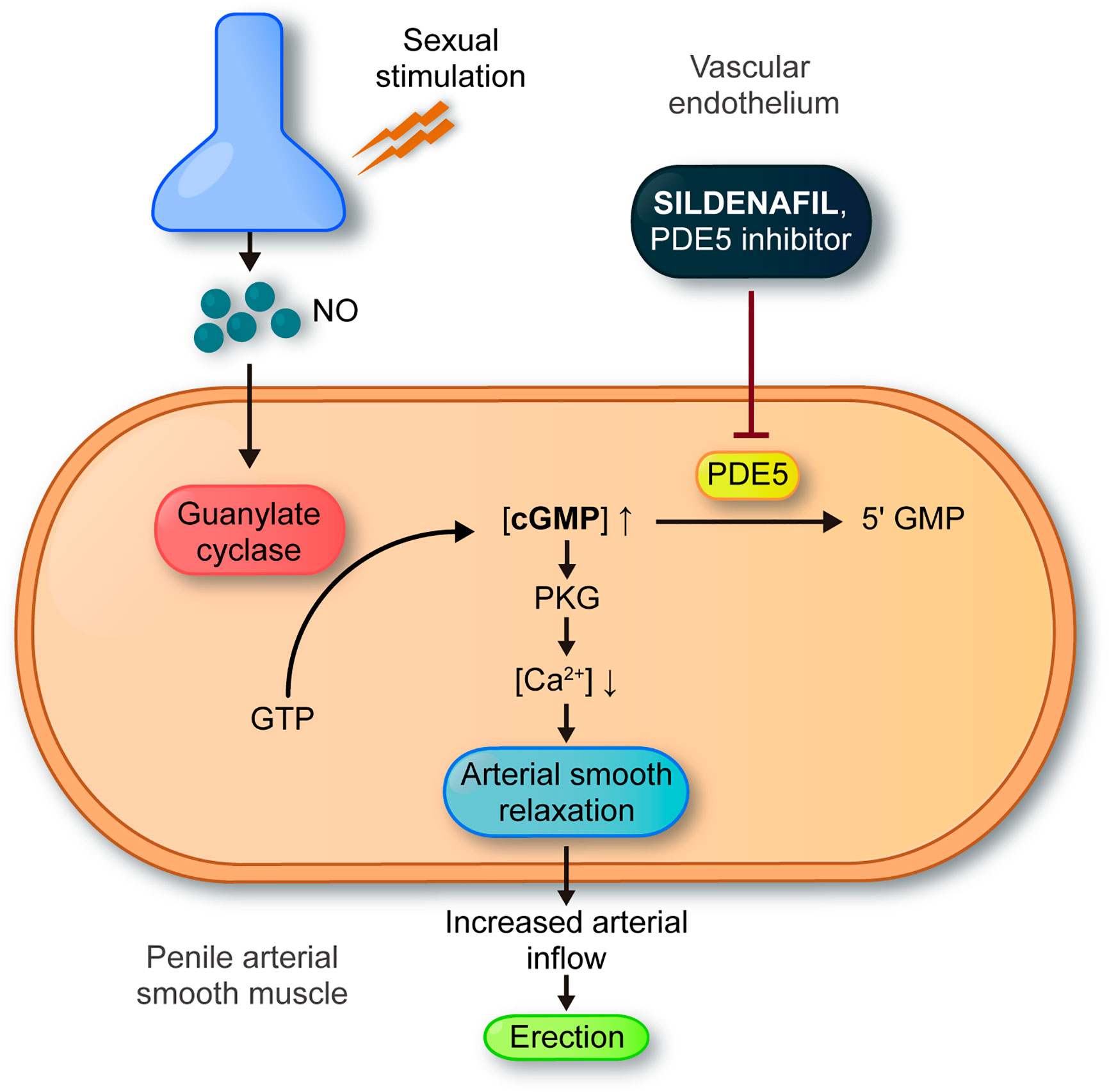
PDE5 inhibitors work by blocking the enzyme phosphodiesterase type 5, which leads to increased levels of cyclic guanosine monophosphate (cGMP) in the corpus cavernosum of the penis. This results in relaxation of smooth muscle and increased blood flow, facilitating an erection in response to sexual stimulation. The most well-known PDE5 inhibitors include:
- Sildenafil (Viagra): Approved in 1998, sildenafil was the first oral medication for ED. It is typically taken 30 minutes to an hour before sexual activity and lasts for about four to six hours. If you have any sort of inquiries concerning where and exactly how to utilize www.erectiledysfunctiontreatments.online, you could call us at our own web page. Common side effects include headache, flushing, and dyspepsia.
- Tadalafil (Cialis): Tadalafil offers a longer duration of action, lasting up to 36 hours, which has earned it the nickname ”the weekend pill.” It can be taken as needed or in a lower daily dose for continuous effect. Side effects are similar to those of sildenafil but may include back pain or muscle aches.
- Vardenafil (Levitra): Vardenafil has a similar onset and duration of action as sildenafil. It is effective for about four to five hours and is taken approximately one hour before sexual activity. Side effects are also comparable to those of the other PDE5 inhibitors.
- Avanafil (Stendra): This newer PDE5 inhibitor has a rapid onset of action, typically within 15-30 minutes. It is known for having fewer side effects and a lower incidence of drug interactions compared to other PDE5 inhibitors.
2.2 Hormone Therapy
In cases where ED is attributed to low testosterone levels, hormone replacement therapy may be indicated. Testosterone can improve libido and erectile function but should be used cautiously and under medical supervision, as it can have significant side effects, including increased risk of cardiovascular events.
2.3 Alprostadil
Alprostadil is a synthetic version of prostaglandin E1, which can be administered via injection directly into the penis or as a urethral suppository. Alprostadil works by dilating blood vessels and increasing blood flow to the penis, resulting in an erection. The injectable form is often used when oral medications are ineffective or contraindicated. Side effects may include pain at the injection site and prolonged erections.
2.4 Other Emerging Therapies
Research continues into newer treatments for ED, including gene therapy, stem cell therapy, and other novel pharmacological agents. These therapies are still in experimental stages and require further investigation to establish their safety and efficacy.
3. Efficacy of ED Treatments
Clinical studies have demonstrated the efficacy of PDE5 inhibitors in treating ED. Approximately 60-80% of men with ED respond positively to these medications, with response rates varying based on the underlying cause of the condition. For instance, men with psychological causes of ED may have higher response rates compared to those with organic causes.
4. Side Effects and Considerations
While PDE5 inhibitors are generally well-tolerated, they are not without side effects. Common adverse effects include headaches, flushing, nasal congestion, and dyspepsia. Rare but serious side effects include priapism (prolonged erection) and sudden vision or hearing loss. It is crucial for patients to disclose their full medical history to healthcare providers, as certain medications and conditions may contraindicate the use of PDE5 inhibitors.
Patients taking nitrates for chest pain or those with severe cardiovascular conditions should avoid PDE5 inhibitors due to the risk of severe hypotension. Additionally, the use of these medications should be approached with caution in men with a history of stroke or heart attack.
5. Conclusion
Erectile dysfunction is a common condition that can significantly impact the quality of life for men and their partners. Fortunately, a variety of pharmacological treatments are available, with PDE5 inhibitors being the most widely used and effective options. While these medications have transformed the management of ED, it is essential for patients to work closely with healthcare providers to determine the most appropriate treatment based on individual needs and underlying health conditions. Ongoing research into new treatments holds promise for even more effective and tailored therapies in the future, providing hope to those affected by erectile dysfunction.
No listing found.